

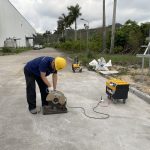

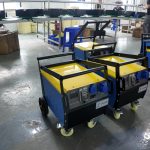
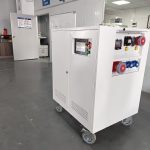
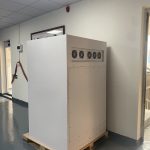
Choosing temporary construction power starts with the work schedule and equipment loads. A battery power station stores electricity for later use. A diesel generator produces electricity while its engine runs. Either can suit a project, and some sites benefit from using both.
Compare the loads before choosing a power source
List the tools, lighting and other equipment that will run together. Compare their combined continuous demand with the power source’s continuous output rating. Motors and compressors may also need a short starting surge. A high peak rating does not mean that output is available throughout a shift.
Check the required voltage, frequency and phase for each load. A single-phase tool and a three-phase machine have different supply requirements. Compare the available PurMars mobile energy storage platforms against the equipment data rather than choosing by model name alone.
Runtime and refuelling or recharging
A battery station has a finite energy reserve. As a first estimate, divide usable battery energy in kWh by the average load in kW. Actual runtime also depends on conversion losses, temperature, battery condition and the operating reserve. For example, 5 kWh of usable energy serving a steady 1 kW load gives a five-hour theoretical estimate before those allowances.
A generator can keep supplying power while fuel and operating conditions permit, but fuel delivery, storage and maintenance need planning. A battery requires an available charging source and sufficient charging time between duties. Solar input is useful only when the system supports it and site conditions provide enough energy.
Noise, local emissions and maintenance
Battery operation avoids exhaust emissions at the point of use, although cooling fans can still make noise. Diesel engines produce exhaust and need appropriate siting. Compare the actual equipment specifications and project requirements when noise or working conditions matter.
Battery equipment still requires inspection, correct storage and care of its charging and cooling systems. Generators add engine-related servicing. Consider the support available over the full project rather than treating either option as maintenance-free.
When a hybrid approach makes sense
A generator can recharge compatible battery equipment during a planned charging period, while the battery serves lower-demand or noise-sensitive work. Compatibility and the operating schedule must be checked for the proposed equipment.
Send the load list, required runtime and available charging supply to request a project-specific power recommendation. For more sizing detail, read our construction power station selection guide.