



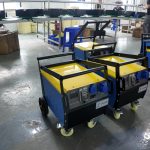
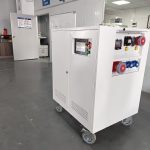
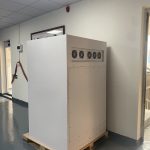
Construction power demand moves as a project develops. A work area may need lighting before permanent services are available, while another crew needs power for tools or testing equipment. Mobile energy storage provides a way to bring stored electricity to those changing work areas.
Where mobile battery power fits
Battery stations can support compatible tools, lighting, communications and other temporary loads. Their usefulness depends on output capability and stored energy. A compact system may suit intermittent small-tool work, while a longer duty period or larger load requires a different configuration.
Battery operation avoids engine exhaust at the point of use and can reduce reliance on an idling generator for light duties. That does not make battery power unlimited. The deployment plan must include recharging and enough reserve for the expected work.
Match each deployment to a load profile
List the equipment, simultaneous running demand and expected operating time. Include starting requirements for motors and compressors. Confirm voltage, frequency and phase before selecting a station.
A useful fleet plan groups common duties into repeatable configurations. For example, lighting and device charging may have a different load profile from cutting equipment or a three-phase industrial load. Compare the PurMars energy storage range against those duties rather than using one model for every task.
Make charging part of the work schedule
Identify a compatible charging source, available charging periods and the energy required for the next duty. Charging time depends on the supported input and the available supply. Moving a station without planning its next charge can shift the power problem rather than solve it.
Some projects use a generator alongside compatible battery storage. The generator can operate during planned charging periods while storage serves other duties. Solar charging can contribute where supported, but weather, available area and site conditions affect the energy collected.
Plan handling and handover
Review access routes, transport arrangements, unit weight and storage locations. Follow the model-specific handling and environmental limits. At handover, crews need to know the supported loads, charging procedure, remaining-energy display and process for reporting faults.
Rental operators can use a consistent inspection and return process to record condition, charging status and accessories. These practical details help keep equipment available for the next deployment.
Turn site requirements into a configuration
Explore our mobile energy storage applications and technical resources. When you request a project quotation, include the load list, required runtime, charging supply and working environment so the proposed system can be checked against real site needs.