



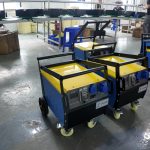
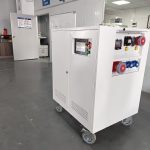
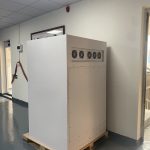
The right construction power station must match both the equipment demand and the way a crew works. Output power determines which loads can run. Stored energy helps determine how long they can run. Checking both avoids choosing a station that starts a tool but cannot support the required duty period.
Build a practical equipment load list
Record the rated input of each tool, light, charger and other device. Identify which loads operate together and which are intermittent. Use equipment nameplates and manufacturer information where available. Motors, pumps and compressors may require starting power above their running demand.
Compare the combined running load with the station’s continuous output. Check starting requirements against the supported surge rating and duration. Do not treat a short peak-power figure as a continuous rating.
Confirm voltage, frequency and phase
Check the supply required by every load and the exact output configuration of the station. The EP single-phase range and AP three-phase range serve different requirements. Regional configurations and output interfaces should be confirmed for the selected model.
Estimate energy for the working period
For each load, multiply power in kW by the expected operating hours. Add those energy requirements to estimate the duty period in kWh. Intermittent tools should use their realistic operating time rather than the full shift length.
A 2 kW load used for two hours requires 4 kWh at the load. The battery system needs additional allowance for conversion losses, operating reserve and actual site conditions. Nameplate battery capacity and usable delivered energy are different measures, so request the relevant figures before ordering.
Check charging and site logistics
Identify where and when the station can recharge. Ask about the supported charging input, charging time and any restrictions on simultaneous charging and output. Solar charging requires a compatible input and a realistic estimate of the energy available at the site.
Review weight, dimensions, transport routes, storage space and the working environment. Enclosure protection and operating-temperature limits are model-specific. A mobile enclosure does not make a unit suitable for every weather condition or handling method.
Confirm the selection with project details
Use the technical library to review available materials and request the latest datasheet for your configuration. Send your load list, required runtime, charging supply and site conditions when you request an energy storage quotation.